Powerbombs
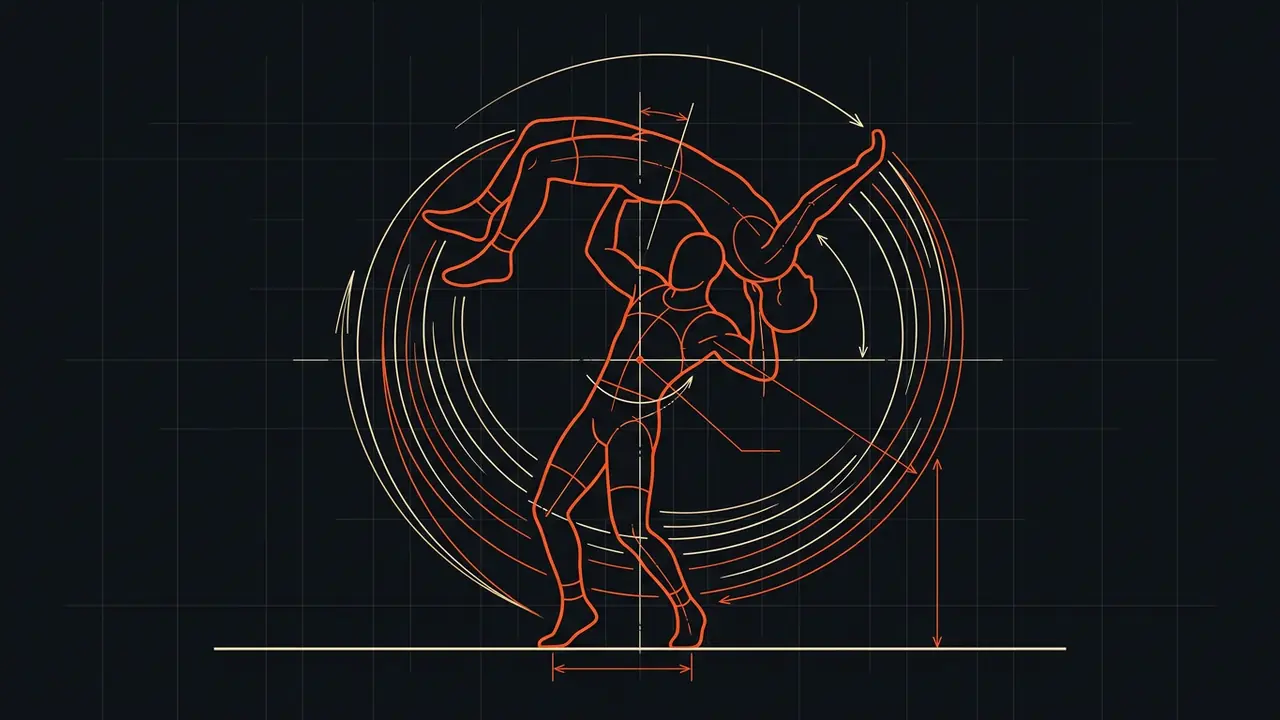
A powerbomb is a lift-and-drop move in which one wrestler raises an opponent so the opponent’s back is against the attacker’s chest or shoulders, then brings them down onto the mat. The family includes several powerbomb variations, and the differences matter: a sit-out keeps the attacker in control, a release throws the opponent away, and a Tiger Bomb traps the arms before the lift. The move is simple to recognize and hard to perform safely, which is why it is both a staple and a protected finish in some companies.
The standard powerbomb
The standard powerbomb begins with the attacker facing a bent-over or stunned opponent. The attacker hooks the opponent around the waist, lifts them up so the opponent’s back rests across the attacker’s upper chest and shoulders, and keeps the opponent’s legs draped over the shoulders. From there the attacker drops backward or sits down, driving the opponent’s upper back into the mat. The attacker often keeps hold of the waist or legs through the landing and leans forward to press the opponent’s shoulders down for the pin. The wider context is traced era by era in pro wrestling history.
The lift
The lift is the part that separates a clean powerbomb from a sloppy one. The attacker needs a stable base, a tight waist grip, and enough strength to bring the opponent up without letting the opponent’s head hang toward the mat. The opponent helps by jumping with the lift and keeping their body tight, but the attacker controls the height and the angle. A powerbomb that looks effortless usually depends on timing more than brute force.
The fall and pin
The fall is not a throw in the usual sense. The attacker lowers the opponent’s back toward the mat and lands with them, rather than spiking them straight down. In the standard pin, the attacker stays attached and covers the shoulders, which makes the move look decisive. That control is also why the standard powerbomb is often protected as a finish: it can end a match cleanly, and it does not require a wild landing to look credible.
Sit-out and release versions
The sit-out powerbomb changes the finish of the move rather than the lift. The attacker raises the opponent, then drops into a seated position with their legs extended forward, so the opponent’s back lands between the attacker’s legs. The attacker keeps the waist or legs and can lean back or forward into a pin. The impact looks compact and controlled, and the attacker remains in position to cover.
Control versus separation
A release powerbomb is the opposite idea. The attacker lets go at the peak or during the drop, and the opponent falls free onto the mat. The release version can look more explosive because the opponent’s body travels farther and often rotates, but the attacker gives up control of the landing. That trade-off is the main difference in impact: the sit-out drives the opponent down and keeps them close, while the release creates separation and a more spectacular collision. For a broader look at how the move traveled between styles and promotions, see.
Tiger and hybrid powerbombs
The Tiger Bomb is the best-known borrowed variant. It is a double-underhook powerbomb: the attacker hooks both of the opponent’s arms before lifting, which traps the shoulders and makes the lift look tighter. The move is often associated with Japanese-style wrestling, where double-underhook holds and powerbomb finishes are common vocabulary. The arm trap makes the opponent’s landing less adjustable, so the attacker has to be more precise with the drop.
Hybrid powerbombs combine the lift with another hold or pinning position. A package powerbomb tucks the opponent’s legs before the lift, making the opponent’s body compact. A cradle powerbomb turns the landing into a cradle pin. These versions are not just cosmetic; they change how the opponent lands and how quickly the attacker can cover. They also give wrestlers a way to use a familiar move without repeating the same finish.
Table and ladder versions
Table and ladder powerbombs are not separate mechanics. They use the same lift and drop, but the landing surface changes from the mat to a table or a ladder. In hardcore and stipulation matches, the powerbomb becomes a delivery system for a spot: the attacker lifts the opponent, positions them over the object, and drops them through or onto it. The move’s danger is part of the spectacle, and the lift is usually slower and more deliberate because the landing has to be placed.
This is gimmick inflation in practice. A standard powerbomb is already a credible finish; putting an opponent through a table raises the stakes without changing the basic anatomy of the move. The table or ladder adds risk and visual noise, but it does not make the move a different family. It makes the same family louder.
Safety and the neck
The powerbomb is restricted in some companies because the margin for error is small. The opponent needs to tuck their chin and land flat on their upper back, not on the back of the head or neck. The attacker needs to control the descent and avoid dropping the opponent from a height they cannot manage. When the timing is off, the move can turn a routine spot into a serious neck injury.
What goes wrong
Most powerbomb injuries come from a combination of a loose lift, a late tuck, and an attacker who loses the grip at the wrong moment. The release version is less controlled by design, and the sit-out version can go wrong if the attacker sits too early or the opponent’s body slides past the safe landing zone. Some companies limit certain versions, reserve them for experienced performers, or treat the standard powerbomb as a protected finish so it is not used casually.
- Chin tuck: the opponent protects the head and neck by tucking the chin before impact.
- Controlled descent: the attacker lowers the opponent rather than spiking them.
- Flat back landing: the opponent takes the impact across the upper back, not the head.
- Grip discipline: the attacker keeps the waist or legs until the landing is safe.
- Match context: the move is used sparingly when it is booked as a finish.
| Move | Family | What it does |
|---|---|---|
| Standard Powerbomb | Standard | Lifts the opponent onto the shoulders and drops them onto the upper back for a pin. |
| Sit-out Powerbomb | Sit-out | Attacker sits down and lands the opponent between their legs, keeping control for a cover. |
| Release Powerbomb | Release | Attacker lets go before impact, sending the opponent down with less control. |
| Tiger Bomb | Tiger/hybrid | Double-underhook powerbomb that traps both arms before the lift. |
| Butterfly Powerbomb | Tiger/hybrid | Double-underhook lift with the opponent’s arms hooked behind them. |
| Package Powerbomb | Hybrid | Opponent’s legs are tucked before the lift, making the body compact for the drop. |
| Cradle Powerbomb | Hybrid | Lift flows into a cradle pin, combining the drop with a pinning hold. |
| Table Powerbomb | Gimmick | Powerbomb delivered through a table in a stipulation match. |
| Ladder Powerbomb | Gimmick | Powerbomb delivered onto or through a ladder as a hardcore spot. |