Suplexes
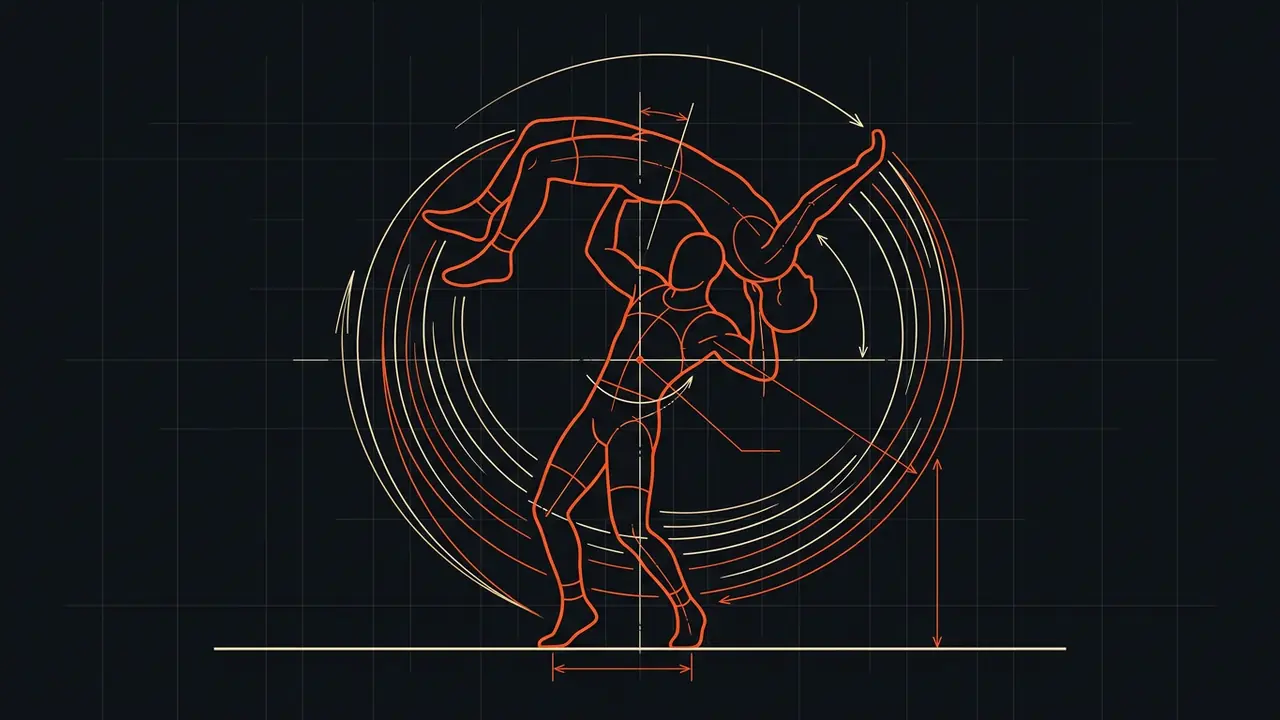
A suplex is not one move. It is a family of throws that share a shape: the attacker lifts, the opponent's body travels in an arc, and the landing comes on the back or the shoulders. Learn the three parts and you can name most of what you see on a card, and you can tell a suplex from a slam at a glance.
What makes a suplex a suplex
Every suplex has three parts: the lift, the arc, and the landing. The lift comes from the grip and the hips, meaning where the attacker's hands are and where the opponent's weight sits relative to the attacker's base. The arc is the rotation the body travels through, and it is what separates a suplex from a slam or a power move. The landing is the part that looks easiest and is the hardest to do safely. The longer story of how these styles developed is covered in pro wrestling history.
Grips vary more than the names suggest. A front facelock, a waistlock, a handful of tights, a double underhook: the grip decides which direction the throw can travel and how much the opponent can resist on the way up. A suplex thrown from a waistlock asks a different question of the defender than one thrown from a headlock, even when both land the same way.
The rotation is the tell
Watch the hips, not the arms. A suplex turns the opponent over or through an arc; a slam drops them straight down. That is why a body slam and a vertical suplex look similar in still photographs and completely different in motion. Once you can see the arc, the naming gets easier.
Belly-to-back and German
Two versions do most of the work. The belly-to-back suplex is the template: the attacker steps behind, clasps a waistlock, and lifts the opponent backward over the hips so the landing comes on the upper back. The German suplex is the same throw with the grip bridged, the attacker's back arched and the opponent released over the top, which is why it doubles as a pinning combination.
The German became the default because it is legible from any seat in the building and because it can be thrown repeatedly from a standing position without an elaborate setup. It also survives translation: the throw works the same in a ring with ropes, in a mat room, and in a highlight package.
Why the German won
The German gives an announcer a story beat. A single one can be sold as a near fall, a repeated series can be sold as a comeback breaker, and the bridge makes the pin attempt automatic. It is also one of the few throws that a smaller wrestler can hit on a larger one without the move looking like a stunt.
Vertical and delayed variations
Vertical suplexes trade efficiency for air. The attacker faces the opponent, hooks a front facelock and a handful of tights, and lifts them straight up before falling back. The higher the lift, the longer the crowd has to read the move, which is the whole point of the vertical family.
Delayed versions push that further. Holding an opponent upside down before the fall is pure showmanship, and it changes the move's meaning: the delay says the attacker could finish this anytime and is choosing not to. Snap suplexes go the other way, cutting the lift short so the throw reads as a surprise rather than a display.
The delay as a promise
A stalling suplex is a debt the match has to pay off. The opponent usually answers it later, either by slipping out of the hold or by hitting the same throw back. When a delayed suplex is never answered, the match feels unfinished.
Fisherman and other hybrids
Hybrids borrow their grip from catch wrestling and their landing from somewhere else. The fisherman suplex threads a leg to trap the opponent before the lift, which makes the throw harder to block and the pin attempt easier to hold. The Northern Lights, the Tiger, and the Dragon all use the same logic: add a hook, add a bridge, and the throw becomes a pin.
The exploder sits at the edge of the family. It is thrown over the shoulder rather than straight back, and some purists file it as a throw rather than a suplex. The distinction matters less than the mechanics, because the landing is the same problem for the person taking it.
Borrowed grips
Full nelsons, double underhooks, and leg hooks all arrived from amateur and catch wrestling before they became wrestling-show vocabulary. That history is why the same throw can have three names depending on which region you learned it in.
| Move | Family | What it does |
|---|---|---|
| Belly-to-back suplex | Belly-to-back | Lifts from a waistlock and lands the opponent on the upper back |
| German suplex | Belly-to-back | Same throw with a bridge, turning the landing into a pin |
| Vertical suplex | Vertical | Lifts face-to-face and drops the opponent straight back |
| Delayed vertical suplex | Vertical | Holds the opponent upside down before the fall |
| Snap suplex | Vertical | Cuts the lift short so the throw lands without warning |
| Fisherman suplex | Hybrid | Traps a leg, lifts, and bridges into a pin |
| Northern Lights suplex | Hybrid | Bridges on the landing with a leg hooked for the cover |
| Tiger suplex | Hybrid | Double underhook grip, released backward into a bridge |
| Dragon suplex | Hybrid | Full nelson grip, thrown backward with a bridge |
| Superplex | Top rope | Thrown from the turnbuckles, with both wrestlers falling |
Counters and the landing
Counters start before the lift. The defender can block by dropping their hips, hook a leg around the attacker's, or grab the top rope to force a break. Once airborne, the options narrow to a rotation of the body or a grab of the attacker's head, and both require the defender to land on their feet.
Common escapes include:
- Hooking the attacker's leg to stop the lift at the hips
- Grabbing the ropes to force a clean break
- Shifting weight to land on the feet behind the attacker
- Reversing the grip into a throw of their own
- Blocking the bridge by rolling a shoulder off the mat
The bump is the hard part. A suplex landing is taken on the upper back and shoulders, with the head tucked and the chin clear of the mat, and the person taking it controls the speed of the fall more than the person throwing it. That is why the same throw can look devastating in one match and routine in another. The move is the lift; the craft is in the landing.